
In the world of fiber arts, few techniques strike a balance between beauty and practicality like the knit double sided pattern.
What is a Knit Double Sided Pattern?
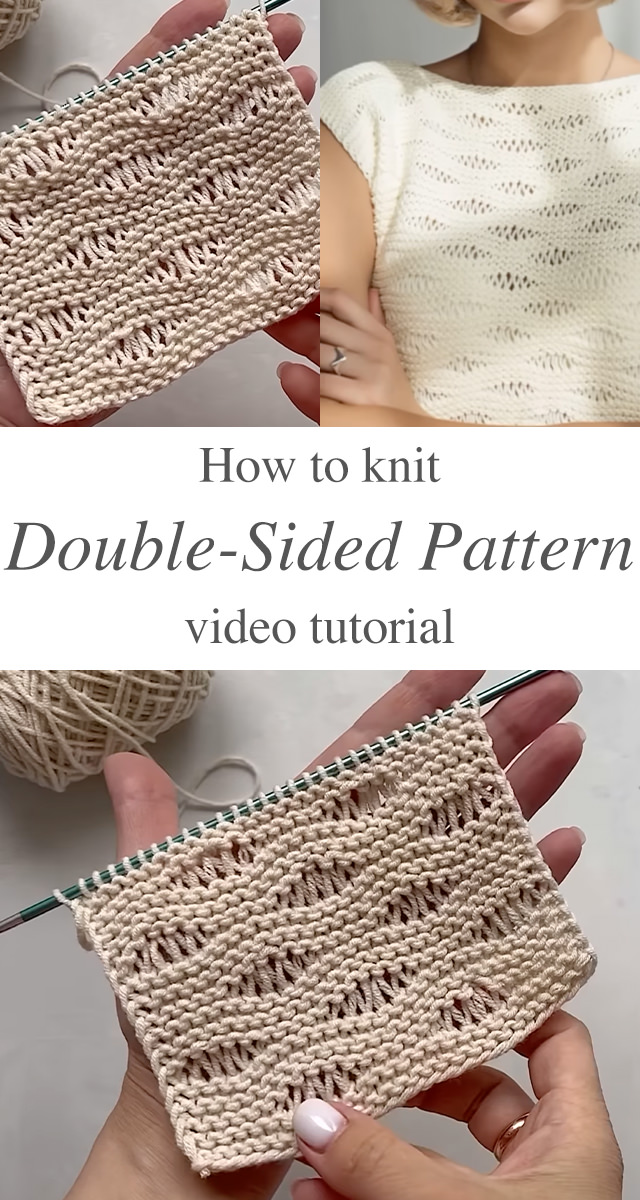
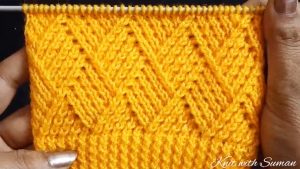
A knit double sided pattern is a type of stitch work where both the front and back sides of the fabric are finished and beautiful—sometimes identical, sometimes creatively complementary. Unlike traditional knits where the reverse often reveals rows of purl bumps, double sided patterns maintain texture and design integrity from every angle. This elegant approach creates a reversible fabric that’s visually appealing on both sides—perfect for scarves, shawls, blankets, and even summer tops. Whether you’re a seasoned stitcher or a curious beginner, this method opens up a world of versatile design.
Knitting Related Posts:
Related Posts
Let’s dive into what makes the knit double sided pattern so special, how to master it, and why it deserves a top spot in your knitting repertoire.

Materials
To bring out the best in a knit double sided pattern, selecting the right materials is crucial. Choose yarns that enhance stitch definition—cotton and cotton-blends are ideal for warm-weather projects, offering crisp texture and breathable comfort. Bamboo yarn adds a soft drape and a touch of luster, making it perfect for garments like summer tops or airy scarves. For cooler seasons, opt for soft wool or wool-blend yarns that still highlight the intricate stitchwork without overwhelming it. Stick to solid or subtly heathered colors to let the pattern shine, as highly variegated yarns can obscure the design’s delicate structure. Use needles that maintain a slightly relaxed tension to let the eyelets breathe and avoid compressing the fabric, allowing the double sided nature of the pattern to fully develop and showcase its reversible beauty.

Get lovely tutorials daily!
Subscribe Now

to receive daily crochet and knit tutorials.
Step-by-Step Pattern Walkthrough
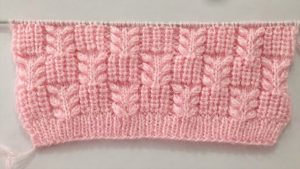
Let’s break down the process demonstrated in the tutorial. The knit double sided pattern in the video is composed of 12 rows that repeat seamlessly. Here’s a basic overview of the method:
Cast On
Start with a multiple of 12 stitches plus 2 edge stitches. This ensures symmetry throughout.
Stitch Anatomy
- Rows 1-3: Knit and purl combinations that create the solid bands of texture.
- Rows 4-5: Yarn overs paired with knit-two-togethers to form the eyelets.
- Rows 6-12: Mirror the first half to build the pattern’s reversible nature.
The real magic happens when you complete a few repeats. The fabric begins to undulate softly, with rows of “windows” peeking through, lending both texture and function.
The pattern requires focus initially, but once memorized, it becomes rhythmic and soothing—perfect for a meditative knit session.
Why Choose a Double Sided Pattern?
There’s a good reason this technique is a favorite among knitwear designers. The knit double sided pattern boasts more than just looks. It’s engineered for:
- Reversibility: Scarves and cowls twist and flip throughout wear. A double sided pattern ensures your project looks flawless from every angle.
- Structural Integrity: The balanced construction minimizes curling, making it ideal for flat-laying pieces like placemats or panels.
- Airy Texture: Eyelet rows introduce breathability while the surrounding stitches create light drape—a blend that makes warm weather garments exceptionally comfortable.
On garments like the sleeveless top pictured above, the pattern adds a level of sophistication that’s both casual and refined.
Project Ideas Using the Knit Double Sided Pattern
Here are a few ways to creatively incorporate this technique into your work:
- Infinity scarves: Since both sides are visible, this is a perfect application.
- Summer tops: Like the one shown in the photo, the pattern makes a breathable, stylish garment.
- Baby blankets: Soft yarns and reversible design make it snuggle-worthy and practical.
- Table runners: Impress guests with handmade décor that’s as beautiful on the underside as it is on top.
You can also adapt this pattern as a panel insert into larger projects. Try it on the back of a cardigan or as a decorative element on a tote bag.
Troubleshooting Common Issues
Like all intricate knits, the double sided pattern has its quirks. Here’s how to avoid or fix common hiccups:
- Loose yarn overs: Maintain consistent tension; practice will make this automatic.
- Losing count: Mark the beginning of each 12-row repeat with stitch markers or row counters.
- Curling edges: Block your finished project gently, or add a garter stitch border to stabilize the edges.
Don’t be discouraged by early mistakes—they’re part of the learning curve. Keep swatching until you feel the rhythm.
The knit double sided pattern is more than just a technique—it’s a statement of elegance and skill. With its charming symmetry, light texture, and endless adaptability, it bridges the gap between function and artistry.
Once you’ve mastered the basics, let your creativity run wild. Play with color blocks, integrate stripes, or even try lace-weight yarns for a delicate twist.
Remember: every stitch you knit is a step toward something beautiful—and with the knit double sided pattern, beauty truly shines from both sides.
Follow CrochetBeja on your favorite social media sites: Facebook, Pinterest, Youtube , Instagram and subscribe for the Newsletter so you don’t miss a thing!
Tutorial and photos of this knit double sided pattern by: LaNa DaNi.




Leave a Reply